Why Softened Butter is Your Baking MVP
Ever baked a batch of cookies only to find them spreading into flat, greasy puddles? Or maybe your cake turned out dense and heavy instead of light and airy? Chances are, the culprit wasn't your oven temperature or a forgotten ingredient, but the temperature of one crucial component: your butter.
In the world of baking, "softened butter" isn't just a suggestion; it's a non-negotiable hero. It's the secret sauce that enables the magical transformation from raw ingredients to delectable treats. Without properly softened butter, your baked goods simply won't achieve that coveted fluffy texture, perfect rise, and consistent structure. Whether you're whipping up a delicate chocolate cake, crafting holiday sugar cookies, or perfecting a batch of muffins, getting your butter just right is a foundational step you can't afford to skip. For a deeper dive into this vital topic, check out Why Softened Butter Matters & How to Get It Fast.
Defining "Softened": The Goldilocks Zone of Butter
So, what exactly does "softened" butter mean? It's more nuanced than simply "not cold." Think of it as the Goldilocks zone: not too cold, not too warm, but just right. Ideally, softened butter should be cool to the touch, hovering between 65°F and 68°F (18°C-20°C).
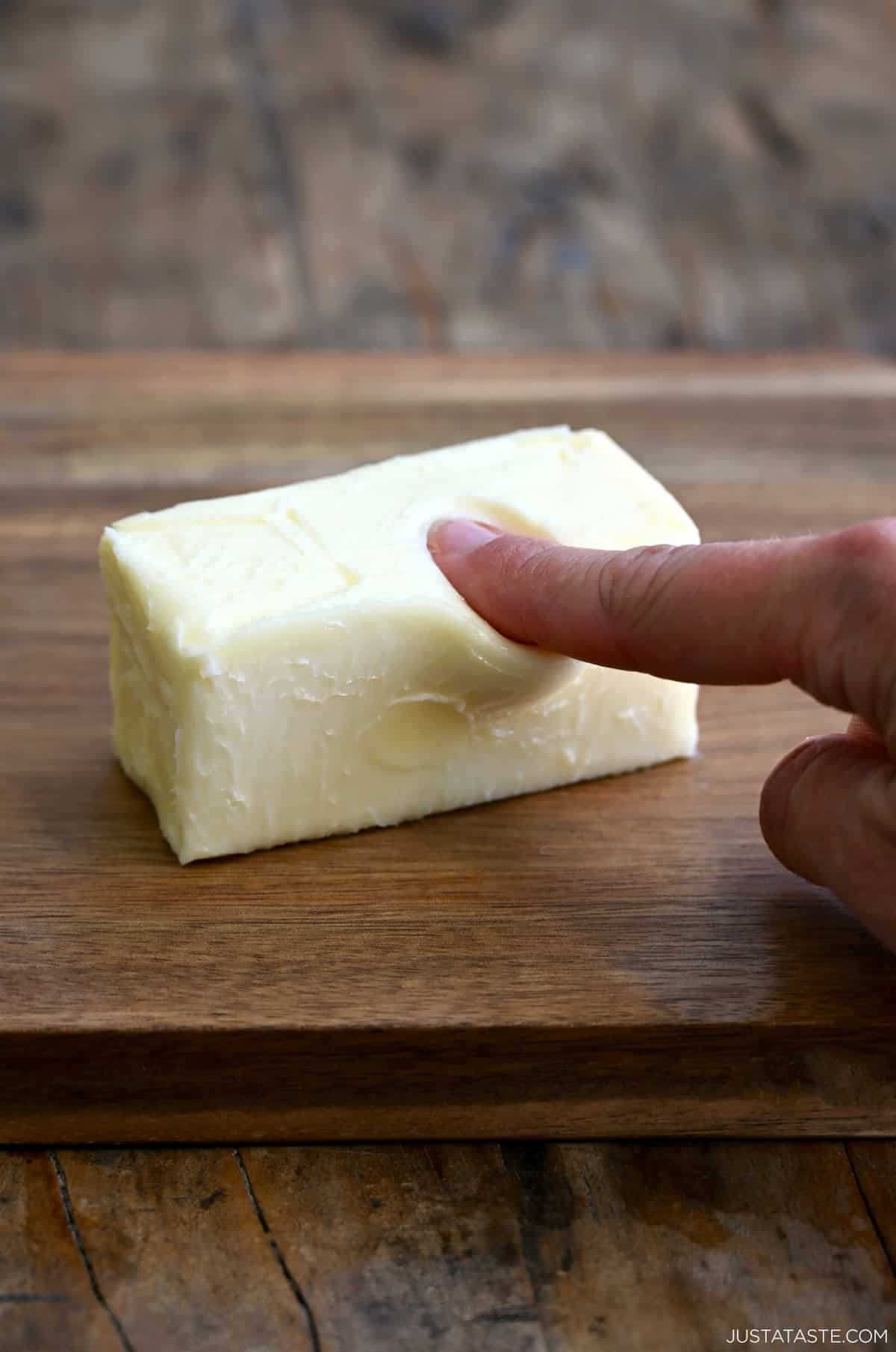
The easiest way to test for perfectly softened butter is the "finger test." Gently press your finger into the stick of butter. It should leave a slight indentation without your finger sinking all the way through or the butter feeling mushy. Imagine the consistency of playdough – pliable and yielding, but still holding its shape. It should definitely not be shiny or greasy, which indicates it's too warm and starting to melt.
- If it's too cold: Cold butter won't properly cream with sugar. This creaming process is essential for incorporating air into your batter, which creates pockets of steam during baking, leading to a light, airy texture. Without enough air, you end up with dense, heavy cookies and cakes that lack rise.
- If it's too warm (starting to melt): Over-softened or melted butter is equally problematic. The fat and water components in butter will begin to separate, creating an oily sheen. This leads to a weak emulsion in your batter, preventing it from holding air and structure. The result? Greasy, flat cookies and cakes with a coarse texture.
The Foolproof Method: Softening Butter in Under 10 Minutes
Let's be honest, we've all been there: a sudden craving for cookies, a last-minute decision to bake, or simply forgetting to take the butter out of the fridge an hour in advance. Waiting for butter to come to room temperature naturally can feel like an eternity when baking inspiration strikes. While the traditional method of letting butter sit on the counter for about an hour is ideal for even softening, it's not always practical.
That's where my go-to, foolproof trick for how to soften butter quickly comes in – and it takes less than 10 minutes. This method harnesses gentle, ambient heat to quickly warm the butter without risking melting:
- Grab a Heatproof Glass: Select a glass that's tall enough to cover a stick of butter. A pint glass or a sturdy drinking glass works perfectly.
- Heat the Glass: Fill the glass with very hot tap water (or freshly boiled water). Let it sit for about 1-2 minutes to allow the glass to thoroughly warm up.
- Empty and Invert: Carefully pour out the hot water. The glass will be warm to the touch.
- Cover the Butter: Place your cold stick of butter on a plate or cutting board. Immediately invert the warm, empty glass over the stick of butter, creating a warm, steamy dome.
- Wait and Check: Let the glass sit over the butter for 5-7 minutes. The residual heat and steam inside the glass will gently warm the butter from all sides. After 5 minutes, lift the glass and perform the finger test. If it's still too firm, replace the glass for another 1-2 minutes.
This method works beautifully because it creates a warm, humid microclimate around the butter, allowing it to soften evenly from the outside in without direct, intense heat. It's significantly faster than simply leaving it on the counter, and far safer than methods that risk melting.
More Genius Ways to Soften Butter Quickly
While the hot glass method is my personal favorite for how to soften butter quickly, it's always good to have a few other tricks up your sleeve. Each method has its own benefits and best uses, depending on how much butter you need and what you're making. For even more detailed instructions, see Quick Ways to Soften Butter Without Melting It.
1. The Grating Method: Perfect for Creaming
This is arguably the fastest no-heat method. When you need softened butter in mere minutes, especially if you're going to cream it with sugar, grating is a fantastic choice.
- How to do it: Grab your cold stick of butter and a box grater (use the large holes). Grate the entire stick onto a plate.
- Why it works: By shredding the butter, you dramatically increase its surface area. The thin shreds rapidly warm up to room temperature, often in just 2-5 minutes. Plus, the grating process pre-aerates the butter slightly, giving you a head start when you begin creaming it with sugar. This is especially useful for cookies and cakes where aeration is key.
2. The Pounding and Rolling Method: For the Energetic Baker
If you need to release some stress while you soften your butter, this method is for you!
- How to do it: Place your cold stick of butter between two sheets of parchment paper or plastic wrap. Use a rolling pin or a heavy pan to gently, but firmly, pound and roll the butter. Aim to flatten it into a thin, even sheet, flipping it occasionally.
- Why it works: The mechanical action of pounding and rolling, combined with the butter's increased surface area, generates enough friction and exposure to air to soften it quickly. It usually takes about 3-5 minutes. Be careful not to overdo it, as too much friction can warm it beyond the ideal softened stage.
3. The Microwave Method (Use with Extreme Caution!)
The microwave is a double-edged sword when it comes to softening butter. It's fast, but also the most prone to melting and ruining your butter if not handled correctly. This should only be used as a last resort and with extreme vigilance.
- How to do it: Cut your stick of cold butter into 1-inch cubes. Arrange them on a microwave-safe plate. Microwave on the LOWEST power setting (e.g., 10-20%) for 5-second intervals. After each interval, flip the butter cubes and check their consistency.
- Why it works: Microwaves heat from the inside out, which is why they are so dangerous for butter. The goal is to warm it just enough to reach the softened stage without creating hot spots or melting the interior while the exterior remains cold. This requires constant supervision and very short bursts.
- Crucial Tip: Stop *before* it looks perfectly soft. The residual heat will continue to soften it slightly. If you see any shiny, melted spots, it's gone too far.
Common Pitfalls to Avoid
While mastering how to soften butter quickly is a game-changer, it's equally important to know what not to do to avoid baking mishaps:
- Don't Melt It: This is the golden rule. Once butter melts, its fat and water separate, and it won't be able to emulsify properly in your batter, leading to greasy, flat results. If you accidentally melt your butter, there's no going back for recipes requiring softened butter.
- Avoid Direct Sunlight or Hot Appliances: While these might seem like quick fixes, they often lead to uneven softening. One side might melt while the other remains cold, making it impossible to achieve the ideal consistency.
- Don't Submerge in Water: Some methods suggest putting butter in warm water. This can make the butter greasy and affect its emulsifying properties, and it can also incorporate unwanted water into your recipe.
Conclusion
Understanding the role of softened butter is truly foundational for elevating your baking from good to truly exceptional. It impacts everything from the texture of your cookies to the rise of your cakes. While waiting for butter to naturally reach room temperature is ideal, life often calls for a quicker solution. With the foolproof hot glass method, the efficient grating technique, or the cautious microwave approach, you now have a repertoire of tricks to get perfectly softened butter in under 10 minutes.
No more forgotten butter derailing your baking plans! Embrace these practical tips, and watch as your homemade treats transform, delivering that irresistible, professional-quality texture every time. Happy baking!
