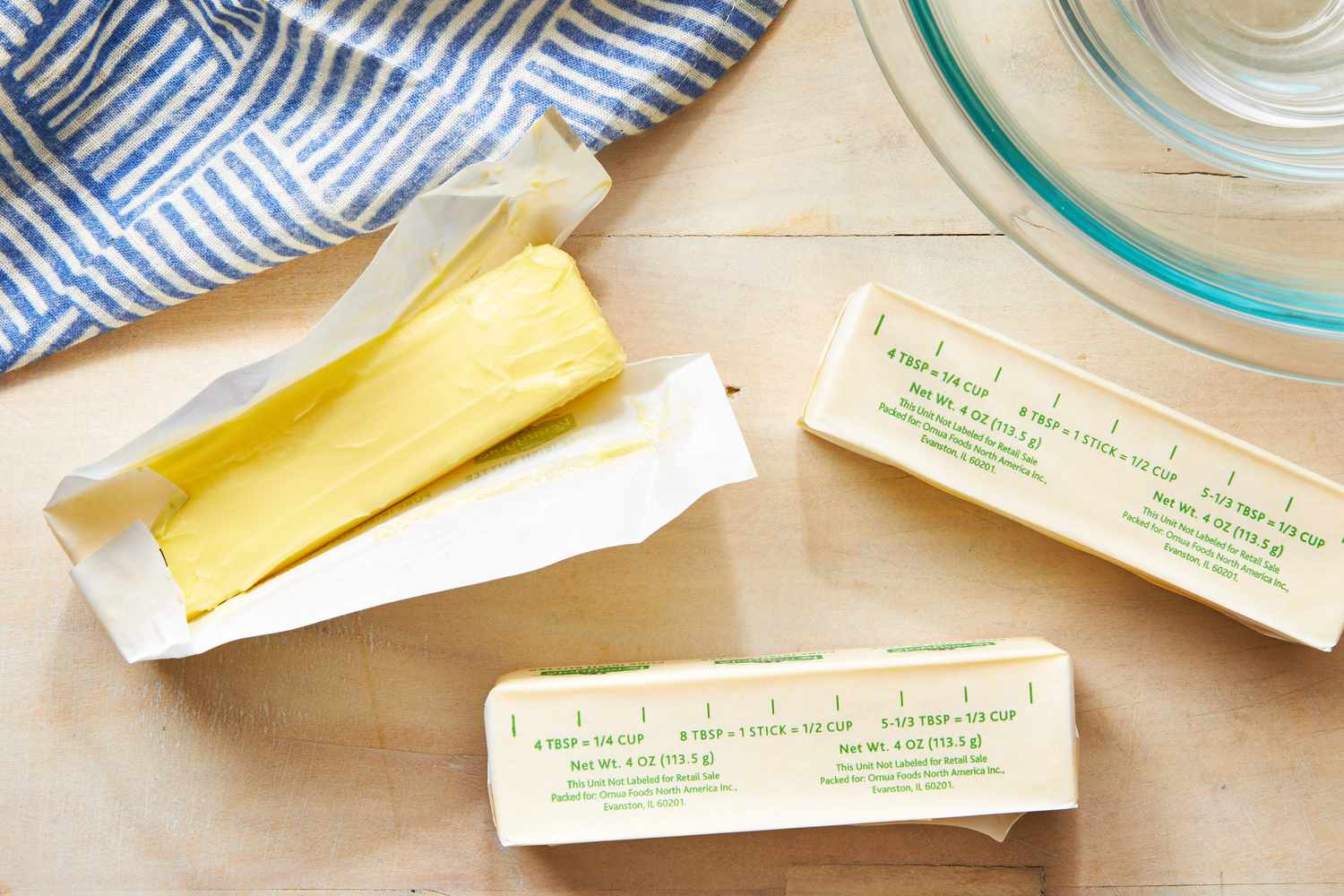
Why Softened Butter is the Unsung Hero of Your Baked Goods
In the intricate world of baking, where precision is paramount, one ingredient often holds more power than you might imagine: butter. Specifically, softened butter. It might seem like a minor detail, but this humble state of butter can be the deciding factor between a batch of cookies that spread into sad, oily puddles and those with perfectly chewy centers and crisp edges. If you've ever wondered why your cakes didn't rise quite right or your cookies turned out dense instead of delightfully tender, chances are your butter was the silent culprit.
Baking, at its heart, is a science. And like any scientific endeavor, the condition of your ingredients significantly impacts the outcome. Softened butter isn't just about making your life easier; it's a foundational step in creating the structure, texture, and aeration that define truly exceptional baked goods. From delicate cutout sugar cookies to festive pecan pie bars, a rich chocolate birthday cake, or fluffy coffee cake muffins for brunch, perfectly softened butter is a non-negotiable requirement.
But what exactly does "softened" mean? And for those of us who, more often than not, forget to pull it out of the fridge an hour in advance, what's the fastest, most foolproof way to get there without a disastrous meltdown? We're breaking down the science and sharing the secrets to achieving butter perfection, quickly.
The Science of Soft: Why Butter's Temperature Matters
The term "softened butter" appears in countless recipes, often interchangeably with "room-temperature butter." However, it’s crucial to understand that this doesn't simply mean "not cold." There's a precise sweet spot, a Goldilocks zone, that unlocks butter's full potential in baking.
What "Softened" Really Means
Ideally, softened butter should be cool to the touch, hovering between 65°F and 68°F (18-20°C). When you press it lightly with your finger, it should yield, leaving an indentation, but your finger shouldn't sink straight through. Think of it as the consistency of firm playdough, not a melty ice cream puddle. This texture is vital because it allows the butter to perform its magic during the creaming process.
The Critical Role of Creaming
Many recipes, especially for cakes and cookies, begin with creaming butter and sugar together. This isn't just about mixing; it's about aeration. As the granulated sugar crystals cut through the softened butter, they create tiny pockets of air. These air pockets are then trapped within the butter's fat structure, contributing significantly to the final rise and light, airy texture of your baked goods. Softened butter has enough flexibility to trap air but enough structure to hold it.
- If your butter is too cold: It won't cream properly with the sugar. The sugar crystals won't be able to create those vital air pockets, resulting in a dense, heavy batter or dough. This leads to flat cookies and cakes that don't rise adequately.
- If your butter is too warm (or melted): The fat and water emulsions in the butter will begin to separate, creating an oily sheen. The butter loses its ability to trap air efficiently, and the structure of your dough or batter will be compromised. This can lead to cookies that spread excessively, cakes with a greasy texture, or a final product that lacks that desirable tender crumb.
Understanding this delicate balance is the first step toward baking success. Now, let's address the most common challenge: how to achieve this perfect state when you're short on time.
How to Soften Butter Quickly: Foolproof Methods for Every Baker
While the absolute best way to soften butter is to let it sit at room temperature for about an hour – allowing it to warm gradually and evenly from the inside out – let's be honest. Most of us either forget to take it out ahead of time or get a sudden baking craving at an inconvenient hour. When time is of the essence, knowing how to soften butter quickly without accidentally melting it is a game-changer. Here are some of the most effective methods:
1. The Hot Glass Trick: Our Top Pick
This method is a favorite for its simplicity and effectiveness, offering perfectly softened butter in under 10 minutes. It's truly a Foolproof Trick: Soften Butter in Under 10 Minutes.
- How to do it:
- Take a heatproof glass (a pint glass or a tall drinking glass works well).
- Fill it with very hot tap water and let it sit for about a minute to absorb the heat.
- Pour out the hot water. Quickly invert the warm glass over your stick of butter, placing it directly on your countertop or a plate.
- The trapped heat and condensation inside the glass will gently warm the butter. For faster results, cut the butter stick in half or into quarters.
- Tips for success: Check the butter every few minutes. You should see it softening around the edges first. Once it yields to a gentle press, it's ready. Don't leave it too long, or it will start to melt.
2. Grating Butter: Speed Through Surface Area
This is an excellent method when you need butter softened in just a few minutes, especially if you're immediately going to cream it with sugar.
- How to do it: Grab your cold stick of butter and run it over the large holes of a box grater, just like you would with cheese.
- Why it works: The key here is dramatically increasing the butter's surface area. The thin shreds expose more of the butter to room temperature air, allowing it to soften rapidly.
- Bonus: The small shreds also give you a head start on the aeration process when you begin creaming them with sugar.
3. The Pounding Method: Agitation for Acceleration
For those times you need butter softened in mere moments, the pounding method can be incredibly effective, albeit a little vigorous.
- How to do it:
- Place your cold stick of butter inside a sturdy plastic bag (like a freezer bag) or between two sheets of parchment paper.
- Using a rolling pin, a meat mallet, or even the bottom of a heavy pan, gently but firmly pound the butter. Start by flattening it, then fold it over and pound again.
- Continue until the butter is pliable and spreadable.
- Tips for success: Be careful not to tear the bag. This method quickly brings the butter to temperature through friction and physical manipulation, making it pliable without melting it.
4. The Water Bath: Gentle and Controlled
This method offers a gentle way to bring butter to temperature without the risk of microwave mishaps.
- How to do it:
- Cut your cold stick of butter into smaller pieces (about 1-inch cubes).
- Place the butter pieces in a sturdy, sealed plastic bag, ensuring no water can get in.
- Fill a bowl with lukewarm (not hot!) water. The water should be comfortably warm to the touch, not scalding.
- Submerge the sealed bag of butter into the water.
- Let it sit for 5-10 minutes, gently massaging the bag occasionally.
- Why it works: The lukewarm water provides an even, consistent temperature for the butter to absorb, speeding up the softening process without directly applying heat that could melt it.
5. Microwave (Use with Extreme Caution!)
While the microwave can be tempting, it's a double-edged sword. It's incredibly easy to go from softened to melted in seconds, which is why we often recommend exploring Quick Ways to Soften Butter Without Melting It. However, if you must use it, proceed with extreme caution.
- How to do it:
- Cut your butter into smaller pieces.
- Place them on a microwave-safe plate.
- Microwave on the LOWEST power setting (often 10% or defrost) for 5-10 second bursts.
- After each burst, flip the butter pieces and check for softness by gently pressing.
- Warning: Never walk away from the microwave during this process. The goal is to warm it just enough to be pliable, not to create a buttery puddle. If you see any signs of melting (transparency, oiliness), stop immediately.
Regardless of the method you choose, remember the "playdough, not puddle" rule. Constant vigilance and frequent checks are key to ensuring your butter reaches that perfect, pliable consistency without overshooting.
Conclusion
Softened butter is far more than a mere suggestion in a recipe; it's a fundamental element that dictates the success of countless baked creations. It’s the secret behind a cake's tender crumb, a cookie's delightful chew, and a muffin's fluffy rise. By understanding what "softened" truly means and mastering these quick and effective methods for achieving it, you can eliminate a common baking hurdle and elevate your culinary creations. So, the next time you find yourself with cold butter and a baking whim, don't despair! With these tricks in your arsenal, you'll be on your way to perfectly delicious results in no time.
